
What's next for canola prices?
By Samuel Reichstein
8th December, 2021
With much of the canola harvest in New South Wales finally appearing to be over the hill after ongoing rain delays, and the impacts to quality appearing to be not as bad as originally feared, marketing unsold canola is returning as a point of interest for many. Whilst current prices are off the highs, they are still at extreme levels when compared to average. So what is next for canola prices and oilseed markets?
From a demand point of view, the recent resurgence of COVID cases in Europe and the outbreak of the Omicron COVID variant is a good reminder of the impact of COVID to oilseed markets. Restrictions of mobility due to COVID results in a reduction in food demand as less people are eating out, however by far the biggest impact to oilseed markets is a reduction in energy demand, particularly for diesel. There is a strong correlation between energy markets and oilseed markets due to the high amount of vegetable oils used for bio-diesel production. The United States Department of Agriculture (USDA) forecasts in 2022 that of the main four global vegetable oil production, including palm, soybean, rape(canola) and sunflower oil, 25% is used for bio-diesel production globally. Specifically, for canola oil, the USDA forecasts that 70% of canola oil production in Europe will be used for bio-diesel production. With approximately 50% of Australian canola seed production exported to Europe, the correlation of Australian canola seed and energy markets is particularly strong. As we have seen over the last week, despite concerns in Australia of quality issues, supply chain delays and slower farmer selling in New South Wales and Victoria, canola seed prices went down, driven by the threat of a COVID resurgence outweighing any local impacts in Australia.
On the production front, outside of Australia, there are limited new inputs from a canola perspective. The European crop is in the ground and winter is upon them, whereas the Canadian crop will not be planted until April. Weather will become a much bigger focus in March when the northern hemisphere moves into spring. In Canada, rainfall will be critical with soil moisture levels still marginal in a lot areas, putting more pressure on planting and in crop rainfall, similar risks to the season just gone. Fertiliser prices and supply are also topical from a production point of view, with the unknown if high prices of crop inputs will reduce canola plantings and or yield potential.
In the broader oilseed market, the South American soybean crop is quickly becoming a focus. The crop is still in its early stages, however a dry spell in some areas is getting the market talking about the impact of La Nina resulting in below average rainfall for South America potentially reducing yield potential. For context, South America is forecast to produce approximately 50% of total global soybean production in 2022 by the USDA. Given the tightness in global oilseed stocks with current forecast demand, any production issues will keep the oilseed complex supported. Still a bit early to jump on the South American production issues, however it will be one to watch as a key driver of oilseed prices along with COVID impacts to global mobility from a demand perspective.
Flooding rains and quality pain
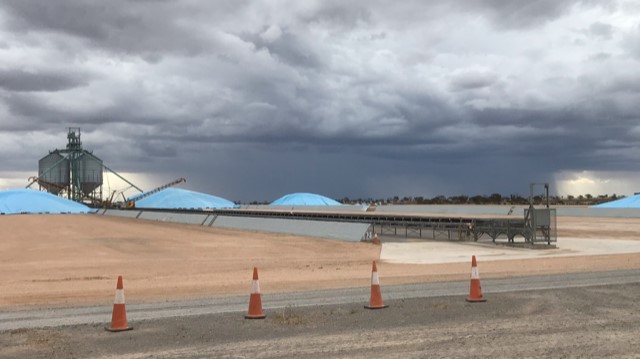
The month of November in New South Wales is typically met with temperatures warming up, little to no rainfall and harvest gathering momentum across the state.
Read MoreWhen it rain it pours
We were warned it was going to be a wet harvest, but the optimist in us thought - "It'll be right, that's what they said last year."
Read MoreRainfall raises quality questions
Harvest has commenced in most parts of New South Wales as we approach the end of November and while there was some good progress made early on,
Read MoreHarvest Wrap
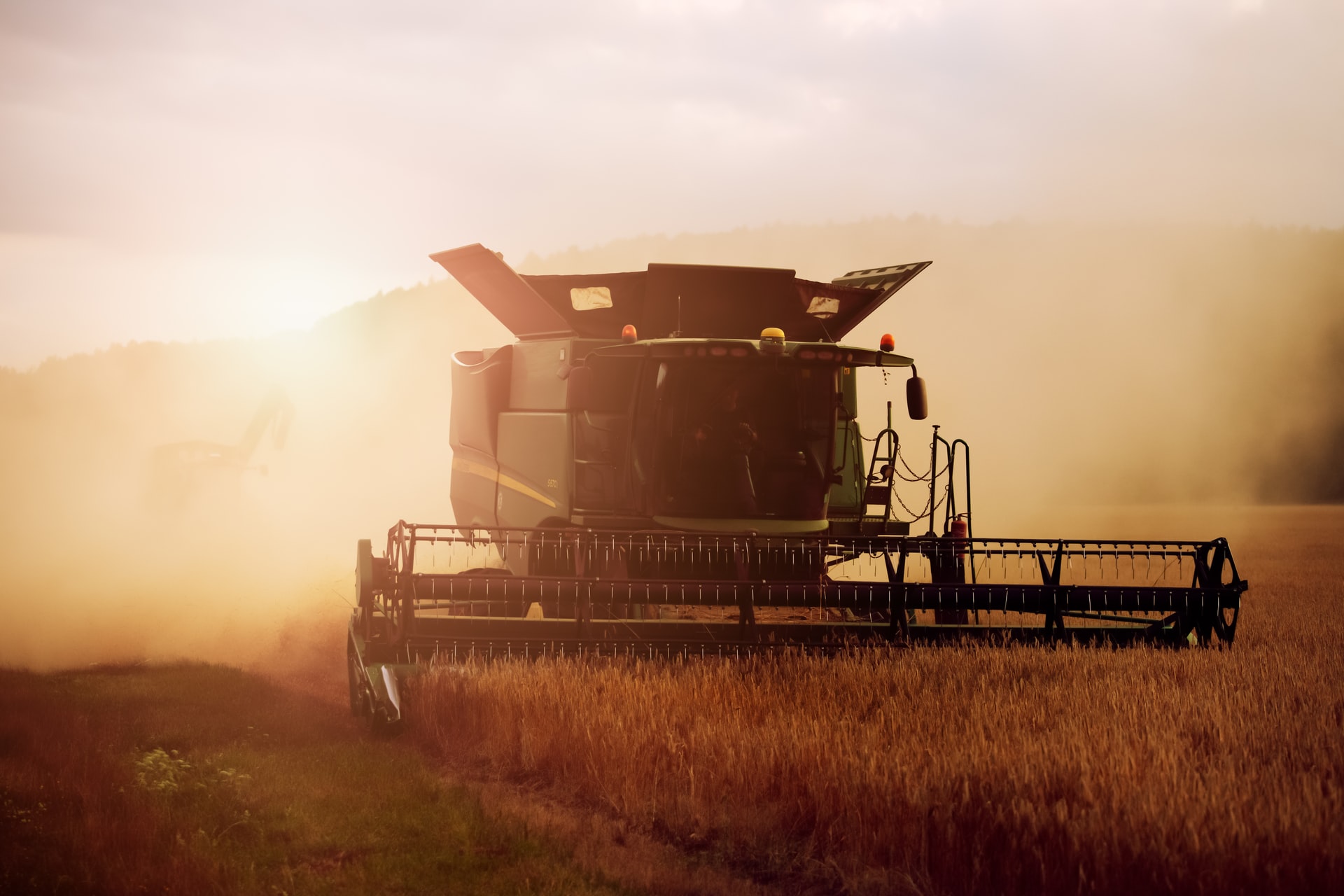
Harvest activity to date has been quite slow relative to the usual pace set with a combination of weather and availability of machinery and labour holding up progress.
Read MoreHarvest versus the Heavens
In what feels like a theme that will persist throughout the Australian harvest, the first weeks of header activity have faced some early challenges from mother nature.
Read MoreNerves and excitement as harvest rolls-out
Whether you're looking at social media, or more traditional media like you are now, you are no doubt being peppered with harvest pictures, videos and stories.
Read MoreParadise by the chaser bin light
With the Queensland cousins making a start to harvest proceedings these past few weeks, in between bouts of wild weather, New South Wales patiently waits for the crop to come in, albeit slowly given the gentle finishing conditions.
Read More